Last Updated: November 19, 2026
Quick Summary
The best skin tac alternatives for active users are adhesive wipes like No-Sting Skin-Prep and IV Prep, liquid adhesives like Mastisol, transparent film dressings, pre-cut overpatches, and mechanical armbands such as the Libre Shield. Match the product to your activity: armbands for swimming and high-impact sport, gentle wipes for sensitive skin, and liquid adhesive plus film for heavy sweating.
- No-Sting Skin-Prep provides barrier protection but is not as strong as Skin Tac or Mastisol.
- Let liquid adhesives dry fully before attaching the sensor, since wet adhesive traps moisture.
- Sweat is the single biggest cause of sensor failure during exercise.
- An armband holds the sensor without glue, so sweat has nothing to break down.
- Patch test any new product on a small arm area for a full day before a sensor session.
Table of Contents
- Why Active Users Need Skin Tac Alternatives
- Comparison Table: Skin Tac Alternatives at a Glance
- Adhesive Wipes and Liquid Adhesives for Strong Hold
- Hypoallergenic CGM Adhesive Options for Sensitive Skin
- CGM Sensor Adhesive for Sweating: What Holds Through Workouts
- Libre Sensor Overpatch and Protective Films Compared
- CGM Sensor Armband: A Non-Adhesive Backup for High-Impact Activities
- Choosing Your Skin Tac Alternative for Your Activity Level
- Frequently Asked Questions
Why Active Users Need Skin Tac Alternatives
Sweat, friction, and repeated movement break down sensor adhesive faster than anything else. If you have ever watched a sensor lift at the edge after a long run or a hot shower, you already know the problem. This guide covers skin tac alternatives for active users, organized by how they handle sweat, skin sensitivity, and device compatibility.
The core issue is simple. Skin Tac is a strong liquid adhesive, and for many people it works. For active users, it can cause two problems: skin irritation under constant reapplication, and adhesion that fails once sweat builds up beneath the sensor. According to a peer-reviewed review of device-related skin issues in diabetes care, preserving skin integrity during chronic device wear is a recognized clinical concern, not a minor annoyance. That is why so many active users look for a different approach.
Below, we break down seven options by activity type, so you can match the product to how you actually move. If your sensor is already peeling and you want fixes beyond a new adhesive, our guide on how to stop CGM sensor peeling off covers the full troubleshooting sequence.
Comparison Table: Skin Tac Alternatives at a Glance
| Alternative | Format | Strength | Best For | Skin-Friendly |
|---|---|---|---|---|
| Libre Shield armband | Reusable armband | Mechanical hold | High-impact sport, swimming | Yes, no adhesive on skin |
| No-Sting Skin-Prep | Wipe or liquid | Moderate | Sensitive skin, daily wear | Yes |
| IV Prep Wipes | Wipe | Moderate | Quick prep before application | Yes |
| Mastisol | Liquid | Strong | Heavy sweat, extended wear | No, higher irritation risk |
| GrifGrips | Tape | Moderate to strong | External backup over sensor | Varies by user |
| Transparent film dressing | Film | Moderate | Water resistance, showering | Yes |
| Cosmetic body glue | Liquid | Light | Short events, temporary hold | Varies |
Adhesive Wipes and Liquid Adhesives for Strong Hold
Adhesive wipes and liquid adhesives work by leaving a thin tacky layer between skin and device. They are the closest direct swap for Skin Tac, and the difference between them comes down to strength versus gentleness.
Dexcom’s own adhesive guidance notes that No-Sting Skin-Prep provides barrier protection but is not as strong as Skin Tac or Mastisol. That is a useful honest benchmark. If you prioritize maximum hold during activity, If your skin reacts badly to repeated adhesive, No-Sting is the gentler choice.
A common mistake is applying these products and attaching the sensor immediately. Let the prep dry fully first. Wet adhesive traps moisture, and trapped moisture is what causes both lifting and irritation.
Hypoallergenic CGM Adhesive Options for Sensitive Skin
Hypoallergenic CGM adhesive options reduce the chance of reaction by limiting harsh tackifiers and adding a barrier layer between skin and glue. They trade some holding power for comfort, which is the right trade for anyone whose skin stays red or itchy after removal.
Watch out: a product labeled hypoallergenic is not a guarantee for your skin. Always patch test on a small area of your arm for a full day before committing to a sensor session. Allergy-prone skin is an active area of device research; Texas A&M reported in 2025 on a new adhesive for wearable medical devices aimed at people with sensitive skin, which shows how seriously the industry now treats this problem.
For sensitive skin, the safest sequence is barrier product first, then a gentle adhesive wipe, then the sensor. Skip strong liquids entirely if you have reacted before.
CGM Sensor Adhesive for Sweating: What Holds Through Workouts
Sweat is the single biggest cause of sensor failure during exercise. Moisture collects under the patch, the adhesive loses grip from the inside out, and the sensor lifts before its wear time is up. The fix is not one product but a layered approach matched to how much you sweat and how much movement the site sees.
Here is how the main approaches compare under active-use conditions, using consistent criteria: hold, water resistance, residue, ease of removal, and skin reaction risk.
- Liquid adhesive with a barrier layer. Strong hold and good sweat resistance once fully dry. Leaves residue that needs an adhesive remover, and repeated use raises irritation risk. Best for heavy sweat and extended wear, not for reactive skin.
- Adhesive wipe alone. Moderate hold, quick to apply, low residue. Usually enough for light daily activity and occasional sweat, but it gives way first in heat and long sessions.
- Transparent film dressing over the sensor. Adds water resistance and shields the adhesive edge from friction. Thin enough to sit under clothing, but it can trap moisture if applied over damp skin, and it needs careful smoothing to avoid bubbles that become lifting points.
- Pre-cut overpatch. Faster to apply than a film and shaped for a specific device, which improves edge coverage. Less flexible if your sensor placement shifts, and removal can pull at the skin if you rush it.
- Mechanical armband. Holds the sensor without glue, so there is nothing for sweat to break down and no residue. The strongest choice for swimming, high-impact sport, and physically demanding work. Trade-off is bulk and a snug fit that some users notice under tight clothing.
Match the approach to the condition rather than defaulting to the strongest adhesive on the shelf:
- Swimming and hot tubs: armband as the primary hold, with a transparent film for added water resistance at the edge.
- Running and CrossFit: armband for high-impact sessions; a liquid adhesive plus film for lower-impact training blocks.
- Heavy sweating in heat: liquid adhesive applied to fully dry skin, then a film over the top, with an armband as backup.
- Contact sport: armband first, since impact and friction, not just sweat, are what dislodge the sensor.
- Light daily activity: an adhesive wipe alone is usually sufficient.
A common pattern is that adhesion results vary between people, so test any new combination during a low-stakes session before relying on it for a competition or a long training block. Apply products to clean, completely dry skin and let liquid adhesives dry fully first; wet adhesive traps moisture, and trapped moisture causes both lifting and irritation.
Watch out: if a sensor site stays red, itchy, or blistered after removal, stop using that product and patch test any replacement on a small area of your arm for a full day before committing to a sensor session. Forum suggestions are a starting point, not proof of safety for your skin.
Libre Sensor Overpatch and Protective Films Compared
Overpatches and protective films can help shield the adhesive edge from friction and water. They differ in breathability, thickness, device fit, and how well they handle curved areas like the back of the arm, and those differences matter more for active users than the marketing claims on the package.
Compare them on consistent criteria:
- Device compatibility. Pre-cut overpatches are shaped for a specific sensor, which makes application faster and improves edge coverage, but they limit flexibility if your placement shifts. Transparent film dressings are cut to size, so they work across devices and placements but take more care to apply without wrinkles.
- Water resistance. Films seal the perimeter against showering and sweating. Overpatches vary; some handle water well, others lift at the edge after repeated exposure.
- Breathability. Thicker patches hold better but trap more moisture underneath, which can irritate skin over a full wear session. Thinner films breathe better but offer less protection from friction.
- Residue and removal. Films and patches both leave adhesive behind. Removal is where most skin damage happens, so plan for it before you apply.
Application matters as much as the product. Apply films and patches to clean, completely dry skin and smooth from the center outward to push out air bubbles. Bubbles become lifting points within a day. For curved areas like the back of the arm, work in small sections and avoid stretching the film so tight that it pulls at the skin underneath.
Removal and skin recovery deserve their own plan. Adhesive removers can soften residue so you can peel slowly and close to the skin. After removal, clean the site gently, let the skin recover between sensor changes, and rotate placement so the same spot is not loaded session after session. If a site stays irritated, give it a full cycle off before reapplying anything.
Watch out: a product labeled hypoallergenic is not a guarantee for your skin. Patch test any new film or patch on a small area of your arm for a full day before committing to a sensor session, and stop use if you see spreading redness, blistering, or itching that does not settle.
For a deeper comparison of these products, see our guide to the best protective gear for Libre sensors.
CGM Sensor Armband: A Non-Adhesive Backup for High-Impact Activities
An armband secures the sensor without putting anything sticky on your skin, which can suit high-impact sport, swimming, and physically demanding work.
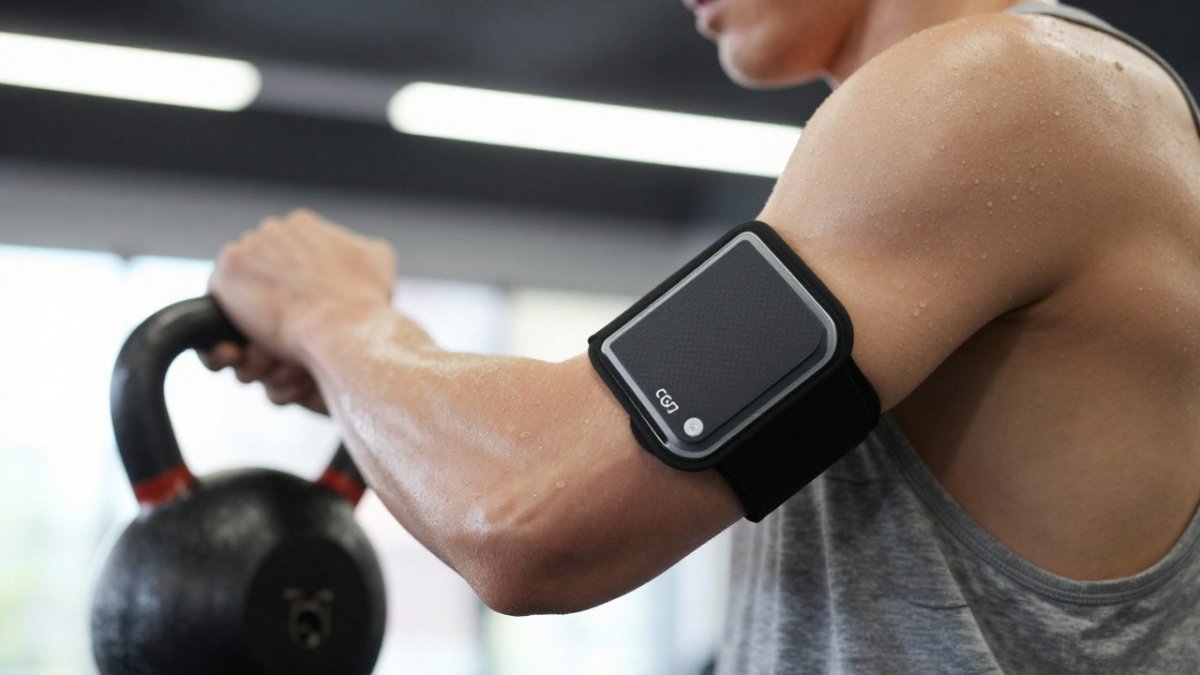
Libre Shield sensor saver armbands are designed to keep continuous glucose monitoring sensors secure during daily activities. Because the hold is mechanical rather than adhesive, it does not rely on glue.
We make two device-specific fits:
- Dexcom G7 armband, designed specifically for the G7 sensor.
- FreeStyle Libre 2 armband, designed specifically for the Libre 2 sensor.
For readers deciding what to buy next, our roundup of the best CGM accessories for active lifestyles puts these options in context.
Choosing Your Skin Tac Alternative for Your Activity Level
Match the product to the activity, not to the strongest adhesive on the shelf. That single rule prevents most sensor failures and most skin reactions.
Use this decision guide:
- Swimming, hot tubs, or daily showers: armband plus a transparent film for water resistance.
- CrossFit, running, contact sport: armband as the primary hold, no adhesive needed.
- Construction or physically demanding work: armband to prevent shifting and impact damage.
- Sensitive or reactive skin: barrier wipe first, gentle adhesive second, armband as backup.
- Light daily activity with occasional sweat: adhesive wipe alone is usually enough.
Replacing sensors early adds up quickly. For current pricing, check our product pages or request a quote, as pricing depends on quantity, dates, and delivery.
The real challenge for active CGM users is not finding a stronger glue. It is finding a hold that survives sweat, movement, and water without damaging your skin. Libre Shield builds sensor saver armbands for exactly that job, with device-specific fits for the Dexcom G7 and FreeStyle Libre 2, medical grade silicone construction, and no adhesive against your skin. Get started with Libre Shield and keep your sensor secure through every workout, swim, and shift.
Frequently Asked Questions
What can I use instead of Skin-Tac to keep a CGM sensor on?
Several skin tac alternatives exist for active users. Adhesive wipes and barrier wipes can provide a base for sensor adhesion. A CGM sensor armband is one non-adhesive option. Overpatches and protective films also help. The best choice depends on your sweat level, skin sensitivity, and device type.
Which Skin-Tac alternatives hold up best during exercise or sweating?
For heavy sweating, some people use liquid adhesives, which may irritate sensitive skin. Apply any adhesive to dry skin, and patch test before layering several products together.
Can I use Mastisol with a Libre sensor?
Some people use liquid adhesives to help secure a sensor. Apply any product to clean, dry skin and let it dry completely before applying the sensor. Always patch test first and check with your healthcare provider if you have sensitive skin.
How can I protect a CGM sensor without irritating my skin?
If adhesives irritate your skin, you may consider a hypoallergenic CGM adhesive or a barrier product. A CGM sensor armband is one non-adhesive way to secure the sensor. Gentle removal and skin recovery between wears are generally advisable. Patch testing any new product on a small area for 24 hours can help you avoid reactions.
