Table of Contents
- Why Active CGM Users Lose Sensors (And What It Costs)
- Quick Comparison: Best CGM Accessories for Active Lifestyles
- Best CGM Armbands for Sports: What to Look For
- Waterproof CGM Sensor Covers Review: Adhesives, Patches, and Armbands
- How to Keep CGM On During Swimming
- Troubleshooting Signal Loss During High-Intensity Movement
- Choosing the Right CGM Accessories for Your Sport and Lifestyle
- Frequently Asked Questions
Last Updated: September 14, 2026
Why Active CGM Users Lose Sensors (And What It Costs)
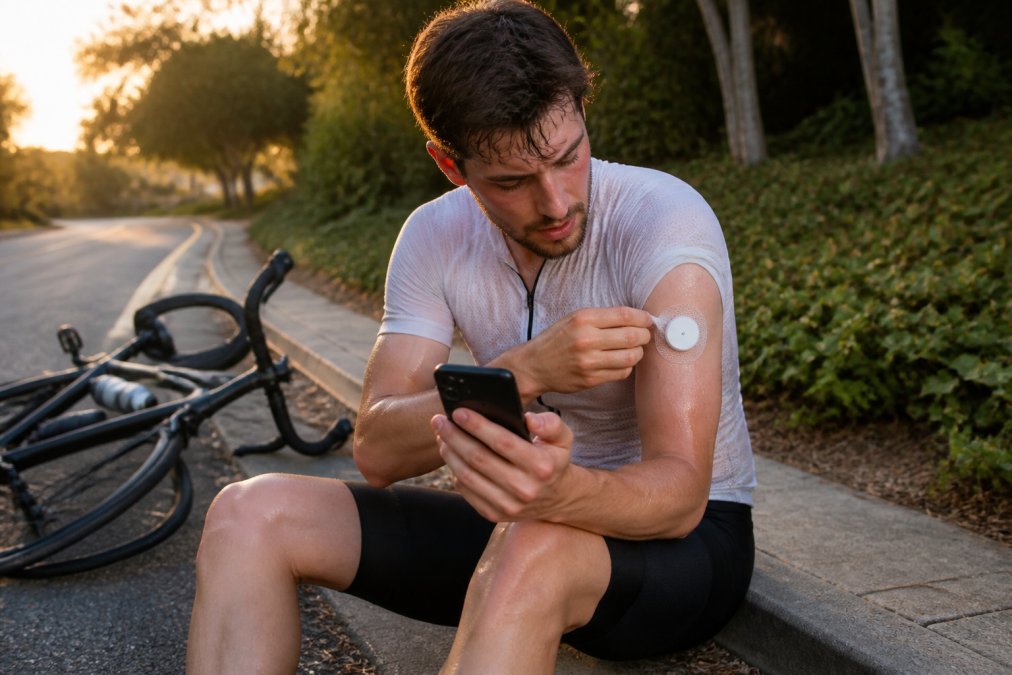
Sensor dislodgement is the single most common frustration for people who rely on continuous glucose monitoring while staying physically active (pubmed.ncbi.nlm.nih.gov). Sweat, friction, water, and impact all work against the adhesive holding a sensor in place, and when a sensor comes loose early, the replacement cost lands on you.
This guide from Libre Shield breaks down the best CGM accessories for active lifestyles in 2026, covering armbands, waterproof covers, adhesive patches, and the practical fixes that keep a sensor secure through swimming, contact sports, and high-intensity interval training. Most guides list devices and stop there. The real problem is retention, so that is where this one starts.
A continuous glucose monitoring system is a wearable technology that measures glucose levels through interstitial fluid rather than fingersticks, transmitting readings to a phone or receiver (the FDA). The sensor itself is small. Keeping it attached is the hard part.
The financial sting is real. Replacing sensors early adds up fast, and many users only realize how much they are spending once they start tracking replacements. The fix is rarely a better sensor. It is better protection.
Quick Comparison: Best CGM Accessories for Active Lifestyles
Different activities demand different protection. An armband that survives a swim may be overkill for a desk job, and an adhesive patch that holds through a marathon may irritate sensitive skin.
|
Accessory Type |
Best For |
Key Strength |
Watch Out For |
|---|---|---|---|
|
Libre Shield™ Sensor Saver armband |
Contact sports, construction work, Swimming, Hot Tubs, Showers, Sweat-heavy workouts, Sex |
Physical security, Waterproof, Seals out water, reusable medical grade protection |
Bulk under tight sleeves |
|
Waterproof sensor covers |
Swimming, hot tubs, showers |
Seals out water |
Reapplication after each session |
|
Sweat-heavy workouts |
Low profile, sweat-resistant |
Skin irritation on removal |
|
|
Skin barrier wipes |
Sensitive skin |
Reduces reactions |
Adds a prep step |
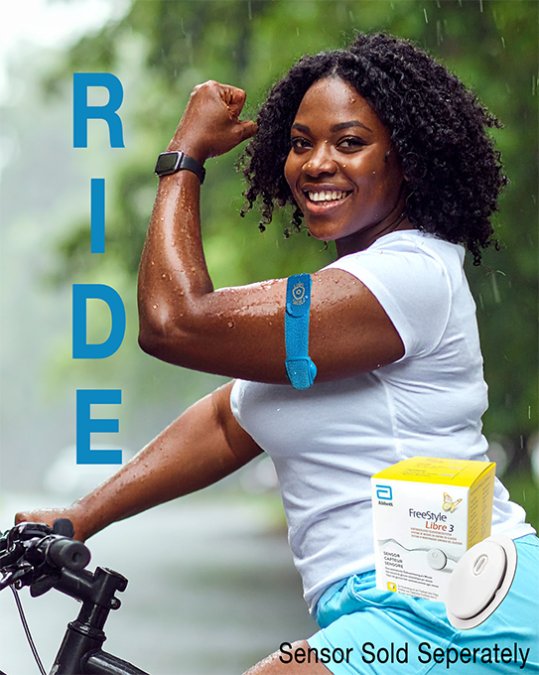
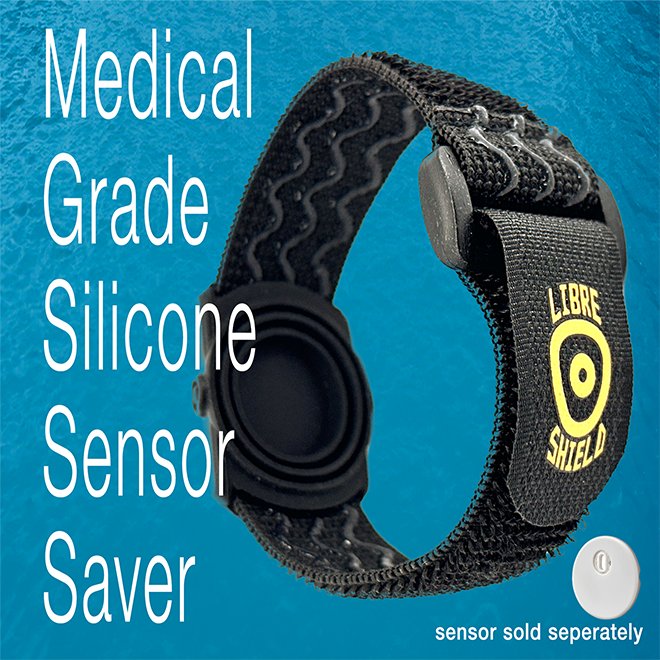
The takeaway is simple: The Liber Shield™ Sensor Saver Armband provides the protection of an armband and a sensor cover with a superior fit design specifically engineered for each brand and model of CGM system. Ranked the best CGM accessory and recommend by Amazon.
The Libre Shield™ Sensor Saver 3 is designed specifically for the FreeStyle Libre 3 and 3 plus CGM system
Best CGM Armbands for Sports: What to Look For
A good CGM armband for sports does one job: it holds the sensor flat against your arm no matter how much you move. Everything else, fabric, fit, and fastening, supports that single goal. But “sports” is not one activity, and the armband that survives a 5K is not the armband that survives a wrestling match. Matching the band to the sport is the difference between a sensor that lasts its full wear period and one that peels off in week one.
Look for four things before buying:
- Secure fastening that does not loosen with sweat
- Breathable fabric so the skin underneath stays dry
- A snug but non-binding fit that stays put without cutting circulation
- Machine-washable material for hygiene between sessions
Match the Armband to the Sport, Not Just the Arm
Most guides treat armbands as a single category. In practice, the retention mechanics differ by activity, and choosing the wrong style is the most common reason a band fails mid-session.
- Contact sports (basketball, wrestling, martial arts, rugby): Direct impact and grabbing are the threat. Prioritize a wide strap with a low-profile buckle or hook-and-loop closure that sits flush against the arm, so nothing catches on an opponent or a mat. A band that rides up under a jersey is a liability.
- Running and cycling: Repetitive motion and sweat are the threat, not impact. A slimmer, moisture-wicking band with a silicone grip strip on the inner face resists the slow creep that happens over a long session. Bulk under a cycling jersey or running singlet matters here.
- Strength training and CrossFit: Bar contact, kettlebell cleans, and wrist wraps all brush the upper arm. A band with a reinforced outer panel resists abrasion better than a soft fabric sleeve.
- Swimming and water sports: An armband is a secondary layer, not the primary seal. Use it over a waterproof cover (see the swimming section below), not instead of one. The Libre Shield™ Sensor Saver Armband is the leading waterproof protection for CGM sensors due to its medical grade silicone sensor shield.
- Racquet sports and golf: Rotation and reach are the threat. A band that stays put through a full shoulder turn is the test; a loose band will migrate toward the elbow over 18 holes or three sets.
Contact Sports and High-Impact Activities
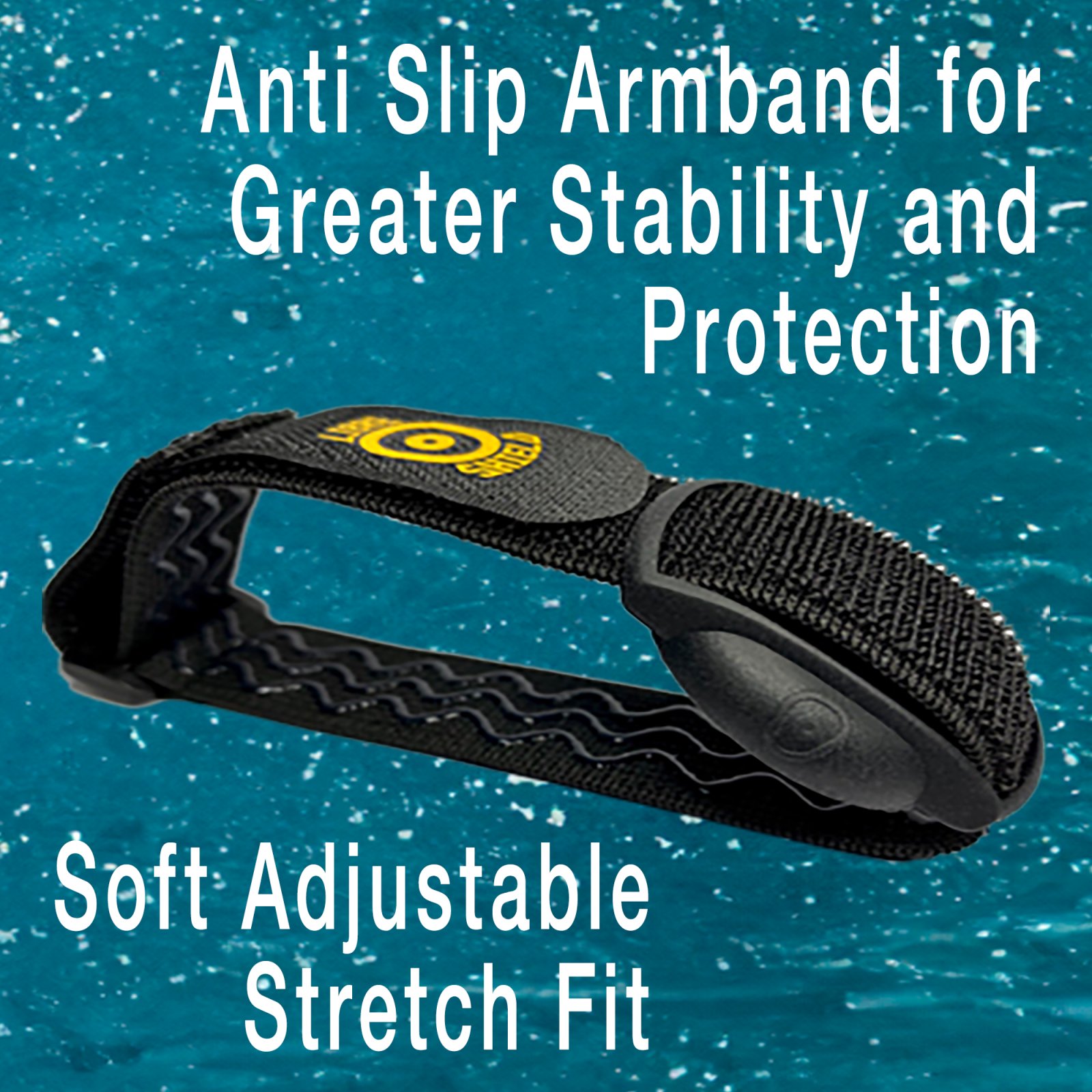
Contact sports and high-impact activities are where cheap armbands fail first. Basketball, wrestling, and martial arts all involve direct contact with the arm, and a loose band will shift, leaving the sensor exposed. The Libre Shield™ Sensor Saver armband has ant-slip technology reducing movement for CGM system security. The Libre Shield™ Sensor Saver G7 is designed specifically for the Dexcom G7 CGM system and is recommended by Amazon.
A common mistake is sizing an armband for comfort at rest rather than during movement. Fit it snug before your workout, then check it mid-session. If it slides, go one size tighter or switch to a band with a wider strap. A useful test: flex the bicep fully and rotate the shoulder through its range. If the band bunches or gaps at the edge, it will not survive contact.
Breathable Fabric and Wearable Comfort
Breathable fabric matters more than most buyers expect. Trapped sweat softens adhesive from underneath, which is the leading cause of premature sensor detachment during long sessions.
Moisture-wicking materials let sweat evaporate instead of pooling against the sensor. For anyone wearing a CGM all day, this also reduces skin irritation and keeps the device comfortable under clothing. Look for a band with a mesh or perforated panel over the sensor site rather than a solid neoprene sleeve, which traps heat even when it wicks.
What to Skip
Two features sound useful but usually backfire for active users. First, thick padded bands add bulk that catches on equipment and clothing without meaningfully improving retention. Second, bands with metal clasps or zippers can interfere with sensor placement and add a pressure point under tight sleeves. Simple, flat, and adjustable beats feature-heavy every time.
Waterproof CGM Sensor Covers Review: Adhesives, Patches, and Armbands
Waterproof protection is the deciding factor for swimmers, and not all covers deliver it equally. A waterproof CGM sensor cover is a protective layer that seals the sensor and its adhesive edge against water intrusion during swimming, bathing, or hot tub use.
Three formats : adhesive patches, waterproof covers, and armbands. Patches sit closest to the skin and offer the lowest profile. Waterproof covers add a sealed barrier over the sensor. Armbands provide physical security on top of either.
The Libre Shield™ Sensor Saver Armband stands out above the rest for superior performance protection for all activities including waterproof edge and sensor protection for swimming, bathing, hot tubs, rain and debris exposure. The Libre Shield™ Sensor Saver 2 is designed specifically for the FreeStyle Libre 2 and 2 plus CGM system and is recommended by Amazon.
Skin Barrier Wipes and Adhesive Patches
Skin barrier wipes prepare the skin before applying an adhesive patch. They create a thin protective layer that helps patches stick longer and come off more gently.
The application order matters:
- Clean and dry the site completely
- Apply the skin barrier wipe and let it dry fully
- Attach the sensor
- Layer the adhesive patch over the sensor edge
- Add an armband for high-impact activity
Skipping the drying step is the most common error. A wet barrier layer prevents the patch from bonding, and the whole setup fails within hours.
Skin Sensitivity and Allergic Reactions to Adhesives
Skin sensitivity is the problem most accessory guides ignore. Repeated adhesive application can cause redness, itching, or contact dermatitis, and users with sensitive skin often blame the sensor when the adhesive is the real culprit (pubmed.ncbi.nlm.nih.gov).
If irritation appears, rotate sensor sites and give skin time to recover between applications. Barrier wipes help, and so do biocompatible materials designed for prolonged skin contact. Persistent reactions warrant a conversation with your healthcare provider, since the right solution depends on your skin and your device.
How to Keep CGM On During Swimming
Keeping a CGM on during swimming comes down to sealing the adhesive edge, not just covering the sensor face. Water finds the weakest point, which is almost always the patch perimeter. This is the gap most accessory guides skip: they tell you to buy a waterproof cover, but they never explain why covers fail, and the answer is almost always edge lift, not face leakage. The Libre Shield Sensor Saver is the top performing protection against edge lift with a 3 layer gasket that keeps pressure directly on the edge while covering the entire sensor.
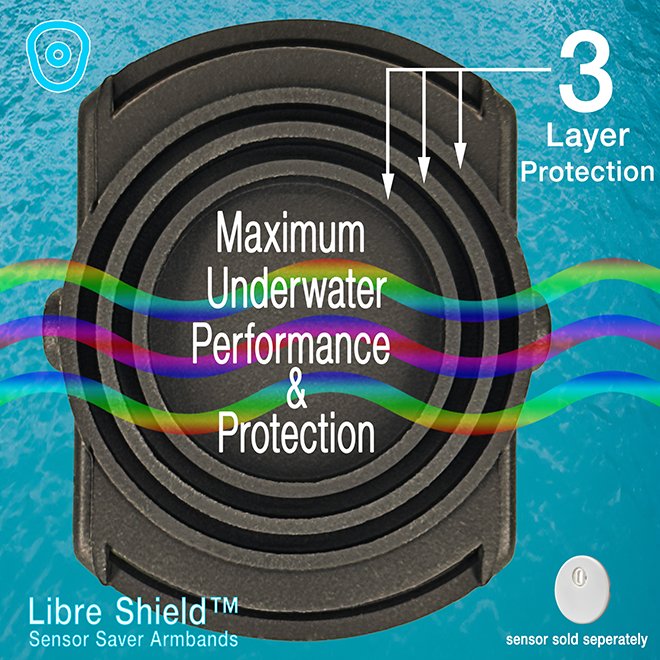
The Libre Shield™ Sensor Saver Armband provides superior waterproof sealing protection using medical grade silicone.
Why Waterproof Covers Fail at the Edge
Adhesive bonds weaken through a process called edge lift. A tiny gap opens at the patch perimeter, water wicks underneath, and the bond releases from the outside in. Chlorine and salt accelerate this because they break down the adhesive matrix faster than fresh water. Warm water, hot tubs, heated pools, softens the adhesive itself, so a cover that holds in a lap pool may lift in a spa. Use the Libre Shield™ Sensor Saver to get maximum edge protection while swimming and bathing, its the best.
The practical implication: a cover that seals only the sensor face but leaves the patch edge exposed will fail in chlorinated or warm water. Look for a cover that overlaps the adhesive perimeter by a meaningful margin, not one that just caps the sensor.
Match the Protection to the Water
Not all water exposure is equal, and the right setup scales with it:
- Showers and brief splashes: A quality adhesive patch alone is usually sufficient. No armband needed.
- Lap swimming in a pool: A waterproof cover over the patch, with the cover edge pressed down firmly for 30 seconds after application. Chlorine is the variable that shortens wear time.
- Open-water swimming and surfing: Cover plus armband. Wave impact and extended immersion both work against the adhesive, and the armband provides mechanical backup when the cover edge inevitably lifts.
- Hot tubs and saunas: The hardest environment for any adhesive. Heat plus prolonged immersion defeats most covers. Plan to replace the cover after each session rather than expecting it to survive multiple soaks.
The Post-Swim Routine That Extends Sensor Life
What you do in the ten minutes after you get out of the water matters as much as what you applied before.
- Rinse with fresh water. Chlorine and salt left on the patch continue to degrade the adhesive. A quick rinse removes the residue.
- Pat dry, do not rub. Friction on a softened patch edge is how lift starts.
- Check the perimeter. Run a finger along the patch edge. If any corner has lifted, press it back down while the adhesive is still pliable, or replace the cover.
- Let the site breathe. If you swim daily, give the skin under the patch a recovery window when you change sensors.
A waterproof cover alone handles most pool and shower exposure. For open-water swimming or extended hot tub sessions, add an armband over the cover for mechanical security. Rinse and dry the area afterward, and replace any cover that has lifted at the edge.
DIY Sensor Protection Hacks
Some users reinforce edges with additional medical tape or trim patches into pre-cut shapes that fit around the sensor without overlapping the reading area. These hacks work, but they are temporary fixes, and for swimming specifically, they are the weakest option, because tape edges lift in water faster than purpose-built cover edges.
The reliable approach is a purpose-built cover plus an armband. DIY solutions tend to fail at the worst moment, typically mid-swim or during a workout when you cannot stop to reapply.
Troubleshooting Signal Loss During High-Intensity Movement
Signal loss during hard workouts usually traces to one of three causes: the sensor lifting at the edge, the transmitter losing contact, or the phone moving out of range. Fixing the physical attachment resolves most cases.
Start by checking whether the sensor is sitting flat. A partially lifted sensor can still read, but the connection weakens with movement. If the sensor is secure and signal still drops, the issue is likely distance, so keep your phone or receiver closer during training.
Calibration and data synchronization problems are separate from signal loss. If readings look wrong rather than missing, follow your device maker’s calibration guidance rather than assuming the accessory caused it.
Choosing the Right CGM Accessories for Your Sport and Lifestyle
Match the accessory to the activity, not the other way around. Swimmers need waterproof covers first. Contact-sport athletes need armbands first. Everyone benefits from skin barrier wipes and a spare patch.
This is where Libre Shield™ Sensor Saver fits naturally into the picture. Libre Shield builds sensor saver armbands designed for sensor security and performance protection across daily activities, from swimming and bathing to gym sessions and physically demanding jobs. The armbands target the retention problem directly with the top rated edge protection, keeping the device secure so you are not replacing sensors early.
For the best CGM accessories for active lifestyles, the practical formula is an armband for impact, a waterproof cover for water, and barrier wipes for skin health. Get those three right and premature detachment becomes the exception rather than the routine. The Libre Shield™ Sensor Saver armband is the premium solution for protection in all situations, designed to minimize sensor replacements and failures.
Frequently Asked Questions
Can you workout with a CGM sensor?
Yes, you can exercise with a CGM sensor, but high-intensity activity increases the risk of sensor dislodgement from sweat and friction. Using accessories like Libre Shield™ Sensor Saver armbands, adhesive patches, and skin barrier wipes helps keep the sensor secure. Place the sensor on a low-friction area and avoid direct contact with equipment. Check your readings before and after workouts to confirm accuracy, since interstitial fluid changes during exercise can cause temporary delays in glucose readings.
How do I keep my CGM from falling off during exercise?
Start with clean, dry skin and apply a skin barrier wipe before inserting the sensor. For the best overall protection during all sports and activities use the Libre Shield™ Sensor Saver armband which provides maximum waterproof and anti-slip technology for high impact and exposure situations, else an adhesive patch or waterproof CGM sensor cover over the sensor for extra hold. For high-impact sports, add a CGM armband designed for sports to reduce friction and accidental knocks. Avoid lotions or oils near the site, and let the adhesive set for a few hours before intense activity. Replacing accessories regularly also maintains reliable hold.
Do CGM patches prevent sensor loss during swimming?
Waterproof CGM sensor covers and patches help prevent sensor loss during swimming by creating a water-resistant seal over the sensor and adhesive. However, not all patches are fully waterproof, so look for products specifically labeled for swimming or water sports. Combining a waterproof patch with a snug armband offers the best protection. Chlorine and saltwater can degrade adhesives over time, so inspect the patch after each swim and replace it if edges lift. The Libre Shield™ Sensor Saver is the most effective CGM protection for swimming and water activities such as scuba diving, hot tubs, bathing, water slides and all other water exposure activities.
What is the best CGM for athletes?
The best CGM for athletes depends on your sport, budget, and insurance coverage. Look for devices with long sensor wear time, water resistance, and real-time tracking with alerts for hypoglycemia and hyperglycemia. Some CGMs offer better accuracy during rapid glucose changes caused by high-intensity interval training. Check compatibility with mobile health applications and data synchronization features. Without a doubt the Libre Shield™ Sensor Saver armband complete with a waterproof medical grade sensor shield and adjustable anti-slip armband is the best rated protection for CGM athletic users.
Sensor dislodgement is a solvable problem, and the cost of ignoring it adds up with every early replacement. Libre Shield offers sensor saver armbands built for security and performance protection, giving active users a reliable way to keep their CGM in place through sweat, water, and impact. Get started with Libre Shield and keep your sensor secure through every workout, swim, and shift.