Last Updated: November 6, 2026
Quick Summary
The best cgm protection is a well-fitted armband or cover that holds the sensor flat against the skin without adding extra tape. Choose one compatible with your specific sensor model, a snug and breathable fit, and materials that handle sweat and water. Check the sizing guide before ordering.
- Confirm compatibility with your specific sensor model before buying any cover.
- Measure your upper arm and use the manufacturer’s sizing chart for a snug fit.
- Choose waterproof covers for swimming, showering or hot tub use.
- Recheck the fit after your first full training session, since sweat can loosen bands.
- Compare monthly sensor losses against the armband price to find your break-even point.
Table of Contents
If your Libre sensor keeps peeling off during workouts, showers or everyday movement, you are not alone. Many CGM users look for protection once they start replacing sensors early and absorbing the cost. This guide explains how to choose the right protection for your routine in the United States.
Sensor detachment usually has a few causes: sweat, friction from clothing, repeated stretching of the skin, and adhesive that weakens over the wear period. Sensors that sit on the upper arm can also catch on sleeves, seatbelts and gym equipment. The fix is not always a stronger adhesive. Often it is a covering that holds the sensor against the skin without adding more tape.
Here is a practical way to think about the problem. Start by identifying when the sensor fails. Does it lift after a shower, during lifting sessions, or at the end of the wear period?
What to Look for in a DiabeticPro Alternative for CGM Protection
The best protection depends on your sensor model, your activities and your skin. A useful buying checklist includes:
- Compatibility with your specific sensor model
- A snug, breathable fit that does not restrict the sensor or readings
- Materials that handle sweat and water without trapping moisture
- Easy on and off, so you can check the skin underneath
- A clear sizing guide for adults and children
A common mistake is buying a cover based on looks alone. Check that the opening lines up with your sensor and that nothing presses on the transmitter. Compatibility matters more than any feature list.
CGM Armband Options: Fit, Movement and Skin Comfort
An armband works by holding the sensor flat against the skin with fabric rather than relying only on adhesive. Good armbands sit firmly without cutting off circulation, and they stay in place during bending, reaching and stretching.
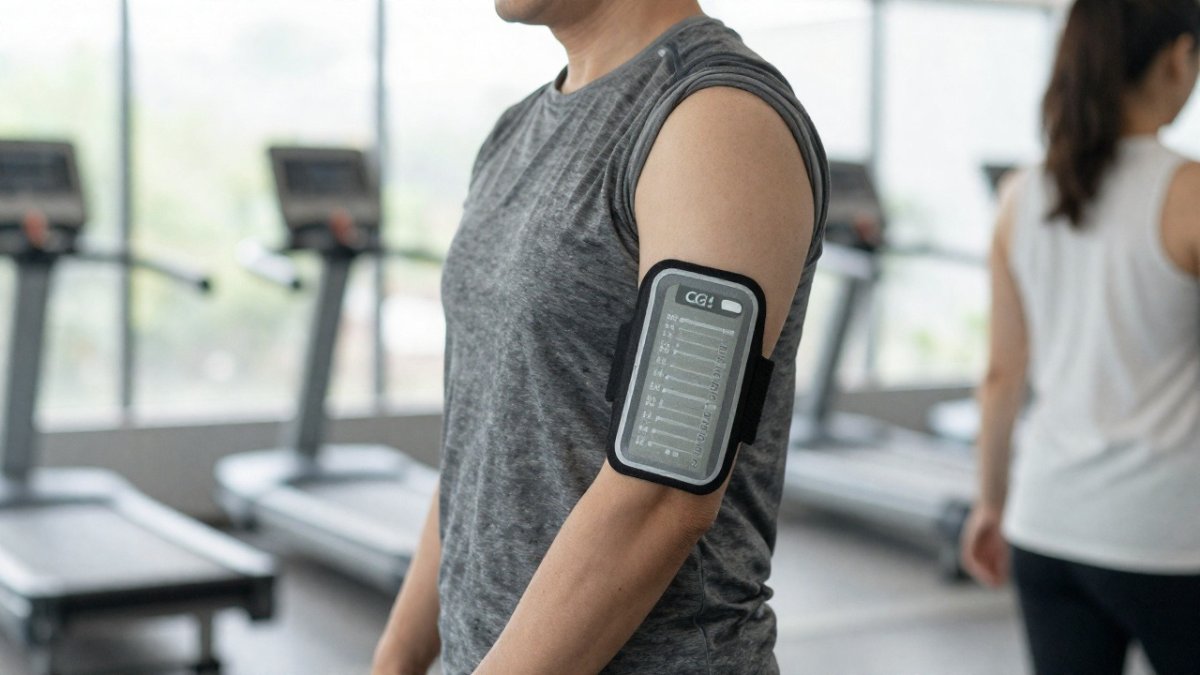
Fit and comfort are the two factors shoppers ask about most. A band that is too loose will shift, and one that is too tight will irritate the skin. Choose a size based on your upper arm measurement and check the manufacturer’s sizing chart before ordering.
Keeping an Armband Secure During CrossFit, Swimming and Construction Work
Demanding activities put more stress on any sensor. For CrossFit and heavy lifting, look for a band with a firm, wide fit that stays put under repeated arm movement. For swimming, confirm the product is designed for water exposure, since not every armband is waterproof. For construction work, a low-profile band reduces snagging on tools and materials.
Watch out: a band that feels secure on day one can loosen as skin sweats and stretches. Recheck the fit after your first full training session.
Sizing an Armband for Children Aged 4 and Older
Parents often ask whether an armband will be too bulky for a young child. Measure the child’s upper arm and choose a size that sits snugly without pinching. Check that the sensor sits fully inside the band and that the band does not slide toward the elbow during play.
Waterproof CGM Sensor Covers for Swimming, Showering and Hot Tubs
If you swim, shower or use a hot tub, water is often the main threat to adhesion. Waterproof covers help block water and sweat from breaking the seal. Confirm the cover is rated for the activity you have in mind, and remove it periodically to check the skin for irritation.
Adhesive-Free CGM Protection for Sensitive Skin and Adhesive Allergies
Many users with sensitive skin want to reduce tape and adhesive contact. An adhesive-free armband keeps the sensor in place through fabric tension rather than extra tape layers. This can make a difference if you have experienced redness or itching from adhesive products. Patch-testing any new material on a small area of skin is a sensible first step.
Comparing Cost: Armbands Versus Replacing Sensors Early
Protection can reduce early sensor replacement. To estimate your break-even point, note how many sensors you lose each month and what each one costs you. Then compare that total with the price of a protective armband. Pricing for Libre Shield products depends on quantity, size and delivery options, so visit the Libre Shield website for current prices or a quote.
Choosing Your CGM Protection and Checking Compatibility With Libre Shield
Start by confirming your sensor model, then match it to the right armband. Libre Shield offers armbands for FreeStyle Libre 2 and Dexcom G7 sensors. Our FreeStyle Libre 2 armband is designed for that sensor, and our black armband option suits users who prefer a discreet look. Dexcom G7 users can review the Dexcom G7 armband to confirm fit before ordering.
If sensor peeling is a persistent problem, our guide on how to stop CGM sensor peeling off covers additional fixes. Active users can also explore CGM accessories for active lifestyles for more options suited to demanding work and training.
Frequently Asked Questions
Will a CGM armband stay put during intense exercise?
A well-fitted armband is designed to stay secure through sweating and movement. Check the fit after your first session and adjust the size if it shifts.
Can an armband affect sensor accuracy?
Check the product information for details on how the armband affects sensor readings. If you notice unexpected readings, check the sensor placement and consult your healthcare provider.
Are these armbands suitable for children?
Armbands are available in sizes for children aged 4 and older. Measure your child’s upper arm before choosing a size.
Managing diabetes already takes daily effort, and a sensor that keeps falling off adds frustration and cost. If you are ready to stop losing sensors, explore Libre Shield’s armbands and find a fit for your routine. Get secure sensor protection with Libre Shield and keep your monitoring on track.
Frequently Asked Questions
Does a CGM armband stay in place during swimming and intense exercise?
Security depends on a snug, correctly sized fit and a secure closure. Check the manufacturer’s stated water and sweat resistance and test the fit during a light workout before relying on it for a race, a long swim or a shift on a job site. Pricing depends on quantity and delivery, so check Libre Shield’s website for current prices and availability.
Can an armband irritate sensitive skin around a CGM sensor?
Irritation usually comes from trapped moisture, friction or fabric that is too tight, not from the armband alone. Choose breathable materials, avoid overtightening, and remove the armband periodically to let the skin air out. If you have a known adhesive allergy, adhesive-free designs avoid adhesive contact entirely, but still watch for redness or itching and consult your healthcare provider if symptoms persist.
Are CGM armbands better than adhesive sensor covers?
It depends on your activity and skin. Adhesive covers add a second layer of tape that can lift at the edges with sweat, and removing them can strip skin. Armbands avoid adhesive on the skin and can be removed and washed, but they must fit securely to hold the sensor in place. Compare the trade-offs for your routine, and confirm compatibility with your specific sensor model before buying.
