Table of Contents
- Comparison Table: Best CGM Covers for Sensitive Skin
- How We Evaluated These CGM Covers
- 1. Libre Shield: Best Overall for Active Lifestyles
- 2. Not Just A Patch: Best for Reactive Skin
- 3. FIXIC Overpatch: Best Waterproof Option
- 4. SIMPATCH: Best for Intense Sweat and Sports
- 5. GRIFGRIPS: Best for Customization
- 6. iFunyo CGM Patches: Best Budget-Friendly Pick
- Frequently Asked Questions
Last Updated: September 27, 2026
Comparison Table: Best CGM Covers for Sensitive Skin
The best CGM cover for sensitive skin comes down to one trade-off: hold versus gentleness. A patch that grips through sweat often irritates fragile skin; a gentle patch peels early.
| Cover | Starting Price | Material | Best For | Wear Time |
|---|---|---|---|---|
| Libre Shield | Varies by pack | Sensor saver armband | Active lifestyles, swimming | Full sensor session |
| Not Just A Patch | $15.00 | Breathable fabric, non-adhesive center | Reactive skin | 7-10 days |
| FIXIC Overpatch | $12.99 | Waterproof, latex-free film | Water and sweat | 10-14 days |
| SIMPATCH | $14.99 | Sweatproof, latex-free | Sports and heavy sweat | Up to 14 days |
| GRIFGRIPS | $18.00 | Waterproof, latex-free | Custom designs | 10-14 days |
| iFunyo CGM Patches | $9.99 | Cotton blend | Budget buyers | 5-7 days |
How We Evaluated These CGM Covers
Every cover here was judged on four criteria: adhesive chemistry, breathability, moisture handling, and ease of removal. Sensitivity matters more than grip, because contact dermatitis is the most common reason people abandon overpatches.
The adhesive classes you are actually choosing between
Most CGM overpatches use one of four adhesive families. Knowing which one is on the backing paper is the most useful thing to learn before buying.
- Acrylic adhesives. The industry workhorse: they bond fast, hold through sweat, and cost little. The trade-off is that acrylics are the most frequently cited trigger for allergic contact dermatitis on medical wearables. Solvent-based acrylics grip harder and irritate more; emulsion acrylics are milder but lift sooner.
- Silicone adhesives. The gentlest class, most often recommended for fragile or reactive skin. It bonds through a soft, low-tack interface and releases with far less epidermal stripping. The catch is hold: silicone does not tolerate heavy sweat, oil, or swimming as well as acrylic, so it is usually paired with an armband or edge strip.
- Hydrocolloid adhesives. These absorb moisture and form a gel at the skin interface, which is why they are common in wound care. For sensitive skin they are a good middle ground, but they are thicker and can trap sweat past their wear window.
- Rubber-based and natural-rubber adhesives. Less common in premium overpatches but present in budget products. Natural rubber latex is a separate allergy from adhesive allergy, which is why “latex-free” appears on nearly every sensitive-skin label.
The acrylate problem, in plain terms
If you have reacted to a patch before, the culprit is most often an acrylate, a family of synthetic monomers used to build acrylic adhesives. Two names recur in patch-test literature: 2-ethylhexyl acrylate and hydroxyethyl acrylate. You will rarely see them printed on a consumer patch box, which is exactly the problem.
If you have ever had a positive patch test for acrylates, do not assume a new brand is safe because it says “hypoallergenic.” Ask the manufacturer directly which adhesive class the product uses. If they cannot tell you, treat that as your answer.
How we weighted the four criteria
Adhesive chemistry came first because it is the variable you cannot fix after the fact. Breathability came second: a patch that traps moisture under an occlusive film macerates the skin and makes any adhesive more likely to react. Moisture handling came third, since sweat and showers determine whether a gentle patch survives its wear window.
Patch testing takes five days, not five minutes. Apply a small piece of any new patch to your inner forearm and leave it for the full wear cycle before trusting it on your sensor site. Test one adhesive class at a time so you know which one failed.
1. Libre Shield: Best Overall for Active Lifestyles
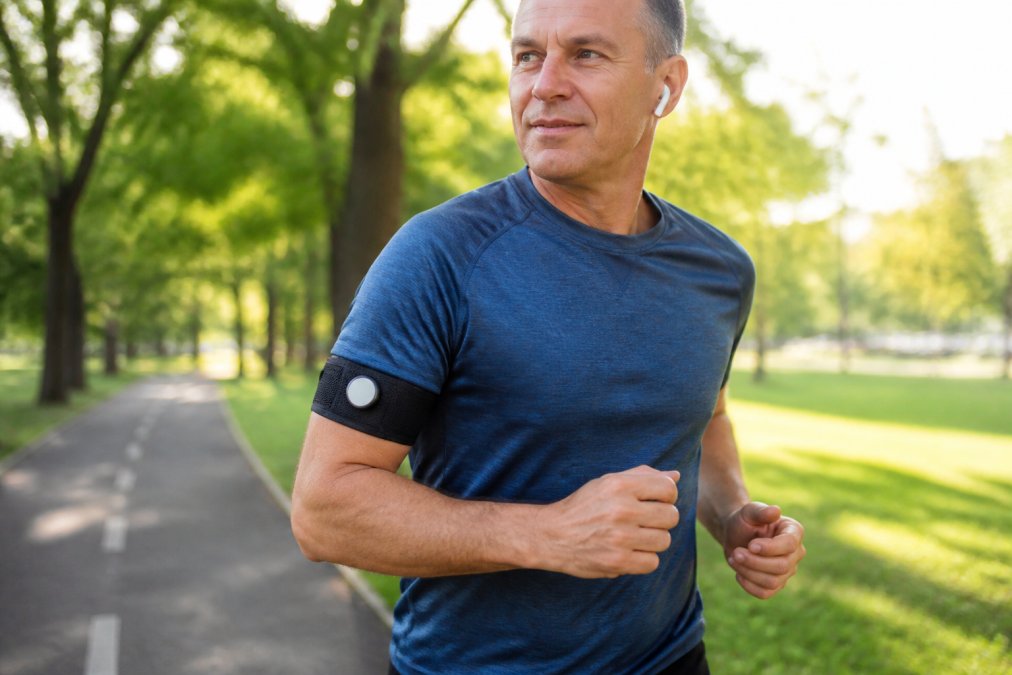
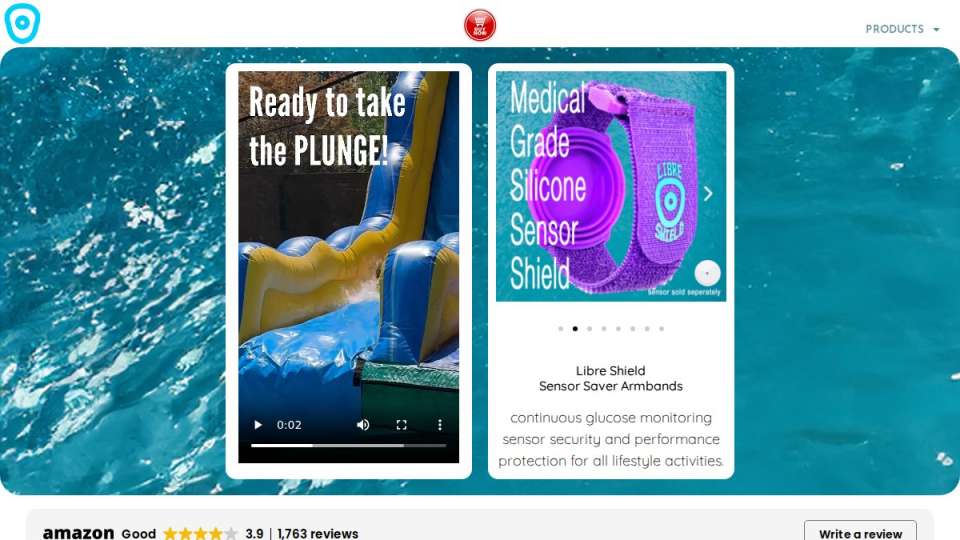
Libre Shield’s sensor saver armbands hold the CGM in place with fabric and tension, so the sensor stays put through swimming, CrossFit, and construction work.
Key Features
- Continuous glucose monitoring sensor security without full adhesive coverage
- Performance protection during physical activities
- Designed for daily wear, including water exposure
- Reusable across sensor sessions
Pros and Cons
Pros: Reduces adhesive contact on sensitive skin, stays secure during high-movement activity, and works with FreeStyle Libre sensors.
2. Not Just A Patch: Best for Reactive Skin
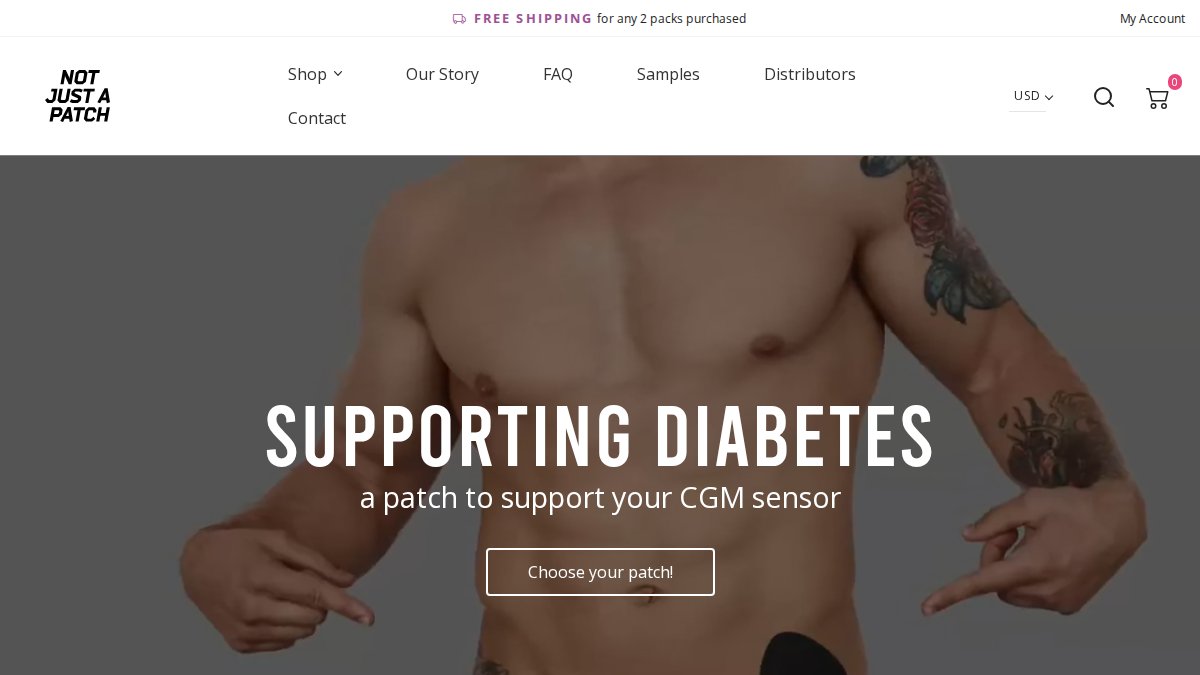
Not Just A Patch is built for people whose skin reacts to standard overpatches. Its hypoallergenic adhesive and breathable fabric target the two biggest triggers: chemical sensitivity and trapped moisture.
Key Features
- Hypoallergenic adhesive formula
- Breathable fabric construction
- Non-adhesive center to prevent sensor sticking
- Water-resistant design
Pros and Cons
Pros: Marketed and formulated for sensitive skin, high breathability limits moisture buildup.
Cons: May need replacing more often during heavy activity.
3. FIXIC Overpatch: Best Waterproof Option
FIXIC earns the waterproof title. The material holds a seal through showers, swimming, and hot tubs, and the latex-free adhesive keeps it in the sensitive-skin category.
Why waterproof patches are harder to remove
Waterproof overpatches are built on occlusive films with high-tack acrylic adhesive. That combination resists moisture, oil, and mechanical shear, which is precisely what makes it resist removal too. The adhesive stays near full tack until you physically break the bond.
Removal solvent options, compared
There are three broad categories of removal aid. They are not interchangeable, and the right choice depends on how reactive your skin is.
- Medical-grade adhesive removers. Sold for ostomy and wound-care use, typically silicone-based or citrus-terpene-based. Silicone removers migrate under the adhesive and kill the tack without dissolving the skin’s oils, generally the gentlest option for reactive skin. Citrus-based removers (often labeled d-limonene) are effective but can sting broken skin and are themselves a recognized irritant for some people.
- Adhesive remover wipes vs. sprays vs. pads. Wipes give the most control at the edge of a patch. Sprays cover more area fast but are hard to aim and easy to waste. Pads suit large overpatches. For a sensor site, a wipe or saturated pad is usually the practical choice because you can work one edge at a time.
- Home remedies. People reach for rubbing alcohol, baby oil, coconut oil, and warm soapy water. Alcohol is the worst for sensitive skin, it dries and defats the barrier you are protecting and does not dissolve acrylic adhesive well. Oils soften many adhesives and are low-irritation, but they are slow, leave residue that prevents the next patch from sticking, and can loosen the CGM sensor if they migrate under the device.
The gentlest removal sequence for sensitive skin is: saturate the patch edge with a silicone-based medical adhesive remover, wait 30 to 60 seconds, peel back slowly and parallel to the skin, never straight up, and clean the residue with warm water rather than alcohol.
Technique matters as much as the solvent
Even the best remover fails if you peel fast or upward. Adhesive releases cleanly when you pull low and slow, in the direction of hair growth, while supporting the skin with your other hand. Lifting at a 180-degree angle is the fastest way to cause MARSI.
What this means for the FIXIC pick
FIXIC is a strong choice if you swim, sweat heavily, or need a patch to survive a full sensor session in water. It is a poor choice if your skin is actively irritated, because removal will set your barrier back further. For waterproof hold without the removal risk, pair it with a silicone adhesive remover and rotate to a gentler silicone-adhesive patch after any reaction.
Pros and Cons
Pros: Excellent durability in water, latex-free, rated for 10 to 14 days of wear, easy-peel backing for clean application.
4. SIMPATCH: Best for Intense Sweat and Sports
SIMPATCH has the strongest hold on this list, both its selling point and its warning label. Sweatproof, waterproof, and latex-free, it fits a range of CGM models and survives long training blocks.
Key Features
- Sweatproof and waterproof construction
- Latex-free materials
- Fits multiple CGM models
- Strong adhesive for long-term wear
Pros and Cons
Pros: Very strong hold, wide color selection.
Cons: Adhesive may be too aggressive for very fragile skin.

5. GRIFGRIPS: Best for Customization
GRIFGRIPS proves sensitive-skin care does not have to look clinical. The latex-free, hypoallergenic patches come in multiple shapes and patterns, and the waterproof material holds up over long wear.
Key Features
- Latex-free and hypoallergenic
- Multiple shapes and patterns
- Waterproof material
- Designed for long-term adhesion
Pros and Cons
Pros: Highly customizable designs, durable through active use.
Cons: Higher price than generic alternatives.

6. iFunyo CGM Patches: Best Budget-Friendly Pick
iFunyo wins on price and material. The cotton-based fabric is soft against skin, the center hole keeps adhesive off the sensor, and a multi-pack costs less than a single premium patch.
Key Features
- Cotton material for breathability
- Hypoallergenic and latex-free
- Non-adhesive center hole
- Waterproof design
Pros and Cons
Pros: Soft material reduces friction, affordable multi-packs.
Cons: Limited design variety, shorter wear time.
Frequently Asked Questions
Can CGM cause skin irritation?
Yes, continuous glucose monitors can cause skin irritation, often due to adhesive allergies or prolonged moisture exposure. Common signs include redness, itching, and contact dermatitis. Using a hypoallergenic CGM cover and proper skin preparation can reduce the risk.
What can I use to cover my CGM sensor?
You can use adhesive patches, overpatches, or sensor saver armbands designed for CGM devices. Look for options labeled hypoallergenic, latex-free, and breathable, such as those from Libre Shield. These covers secure the sensor and protect sensitive skin.
What are the best materials for CGM covers for sensitive skin?
The best materials are hypoallergenic, latex-free, and breathable, such as cotton blends or medical-grade fabrics. Silicone-based adhesives are gentler than acrylates. Barrier film can also be applied before the cover to create a protective layer between the skin and adhesive.
How do I prevent adhesive rashes from CGM sensors?
Prevent rashes by prepping the skin with an alcohol wipe, applying a barrier film, and rotating sensor sites. Choose a CGM cover with a gentle adhesive and avoid excessive moisture. If a rash develops, remove the sensor and treat with hydrocortisone cream as directed by your doctor.
Sensitive skin and reliable sensor hold have always pulled in opposite directions, and no single cover solves both perfectly. Libre Shield closes that gap with sensor saver armbands that secure your CGM through swimming, sports, and physical work without layering adhesive on reactive skin. If you are tired of replacing sensors early and nursing irritated sites, get started with Libre Shield and keep your sensor, and your skin, protected.