Table of Contents
- CGM Sensor Covers vs Libre Shield Sensor Saver Armbands: Key Differences
- Comparison Table: Adhesive Covers vs Libre Shield Sensor Saver Armbands
- How to Keep CGM Sensor From Falling Off
- Waterproof CGM Covers for Swimming
- CGM Skin Irritation Solutions
- Cost-Benefit Analysis: 12-Month Sensor Protection
- Conclusion: Choosing the Right Protection for Your CGM
- Frequently Asked Questions
Last Updated: September 20, 2026
CGM Sensor Covers vs Libre Shield Sensor Saver Armbands: Key Differences
A continuous glucose monitor is only as reliable as the patch of skin it sits on, and that patch takes a beating. This guide breaks down CGM sensor covers vs Libre Shield Sensor Saver Armbands, two very different answers to the same problem: keeping a sensor stuck to a moving body for days at a time.
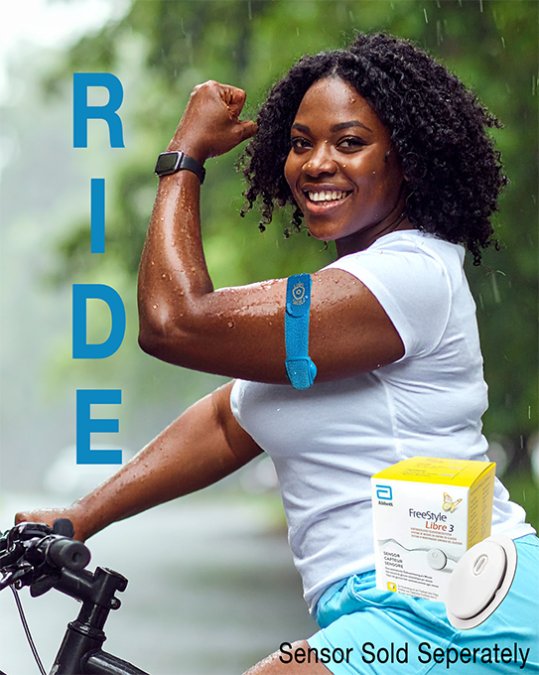
Keep your FreeStyle Libre 3 sensor protected, Order now on Amazon.
Comparison Table: Adhesive Covers vs Libre Shield Sensor Saver Armbands
The table below summarizes how each protection type performs across the factors that matter most. Adhesive covers win on discretion and price per unit; Libre shield Sensor Saver Armbands win on durability and reuse.
|
Factor |
Adhesive Covers |
|
|---|---|---|
|
Skin contact |
Adhesive directly on skin |
Strap only, no glue |
|
Reusability |
Single-use, 10-14 days |
Reusable for months |
|
Impact protection |
Minimal |
Rigid shell absorbs knocks |
|
Water performance |
Water-resistant, degrades with sweat |
Waterproof, rinse and reuse |
|
Best for |
Desk work, discreet wear |
Sport, swimming, physical jobs |
How to Keep CGM Sensor From Falling Off
Keeping a sensor from falling off comes down to three things: clean skin prep, correct placement, and a physical barrier that takes the hits so the sensor does not. Most dislodgement happens in the first 24 hours, when the adhesive is still bonding, or during a sudden snag.
Start with the basics:
- Wash the site with plain soap and let it dry fully. Oils and lotion stop adhesive from setting.
- Apply the sensor to a flat area with no creases, and press the adhesive down for a slow count of 20.
- Avoid the muscle you work most. A sensor on a bicep that flexes all day will lift at the edges.
- Add a physical barrier over the top. This is where the Libre Shield Sensor Saver Armband outperforms a patch, because it holds the sensor against the arm instead of relying on glue.
Waterproof CGM Covers for Swimming
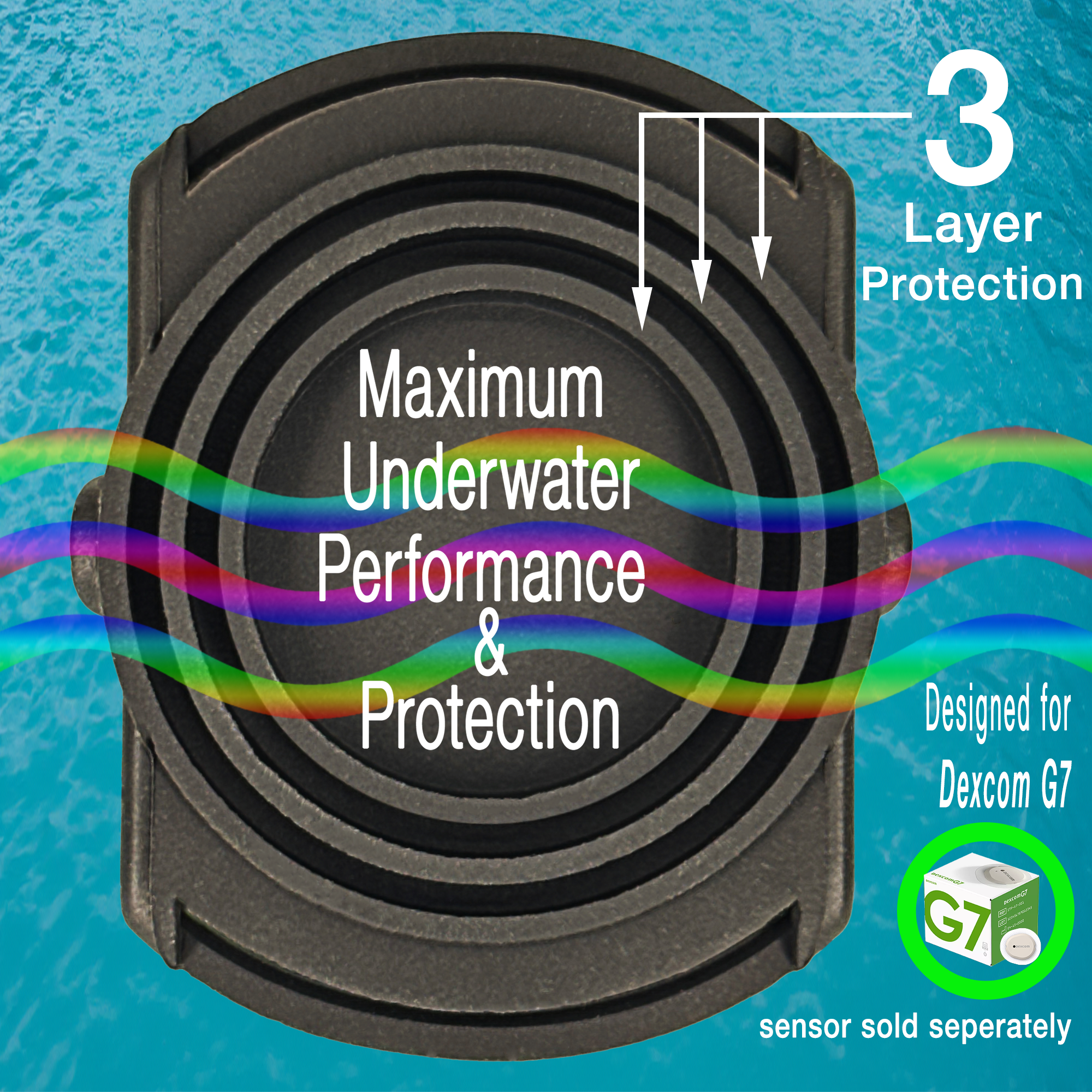
Waterproof protection for swimming means a barrier that stays put through chlorine, sweat, and repeated soaking. Adhesive covers marketed as water-resistant tend to degrade fastest in exactly these conditions, because hot water and sweat break down the glue.
Waterproof your Dexcom G7 today, order on Amazon.
A few practical notes for water use:
- Rinse the band in fresh water after pool sessions to clear chlorine.
- Let the strap air-dry before storing it, so the fabric does not stay damp against your skin.
- Check the fit before you get in. A loose band slides when wet.
CGM Skin Irritation Solutions
Skin irritation solutions start with removing the thing that most often causes the problem: adhesive sitting on the same spot for weeks. This is the angle most product pages skip, and it is the one that matters most if your skin reacts.
Why adhesive, not the sensor, is usually the culprit
A CGM sensor attaches with a medical-grade acrylic adhesive. That adhesive has to hold for 10 to 14 days through sweat, showers, and movement, which means it is formulated to bond aggressively. When you peel it off, it takes a thin layer of dead skin cells and surface lipids with it. Do that every 10 days on the same patch of skin and you get what dermatologists call medical adhesive-related skin injury, or MARSI.
The friction trade-off nobody mentions
Critics point to the possibility of friction from a sensor strap, but they often overlook an important distinction. Friction irritation is mechanical and typically easy to correct by adjusting the fit. Adhesive injury is different. It is chemical, cumulative, and can become more severe with every patch change. The Libre Shield Sensor Saver Armband reduces dependence on adhesive, making it a gentler option for many people with sensitive skin
- Adhesive covers: add glue load, risk cumulative MARSI, but sit flat and do not rub.
- Libre Shield Sensor Saver Armbands: remove the extra glue layer, but introduce friction risk that depends on fit and material.
Practical steps for either option
- Rotate sensor sites and give each spot a full recovery window between wears. Two weeks off is a common target.
- Use a skin barrier wipe before applying the sensor, and let it dry completely before the sensor goes on. A barrier film creates a removable layer between glue and skin.
- Remove adhesive slowly and with the grain of hair growth. Adhesive remover wipes reduce the peel force and the skin damage. Pulling a patch off fast is what tears skin.
- Switch to a Libre Sheild Sensor Saver Armband so the only adhesive on your arm is the sensor’s own. This is the single biggest reduction in adhesive exposure available.
- Treat active irritation before adding anything new. A barrier wipe under a fresh sensor on already-inflamed skin tends to make things worse, not better.
If redness, blistering, or itching persists past a few days after removal, that is a signal to talk to a clinician rather than to keep experimenting with products.
Cost-Benefit Analysis: 12-Month Sensor Protection
Over 12 months, the cheaper option up front is rarely the cheaper option overall. Adhesive covers are disposable, so you buy them again and again. The Libre Shield Sensor Saver Armband is a one-time purchase you reuse for years. The math is simple once you lay it out, and almost no comparison page actually does it.
Get Your Libre Shield Armband Today! →
The three cost lines that matter
Most people compare only the sticker price of covers versus the Libre Shield Sensor Saver Armband. That misses two bigger lines:
- Protection cost, what you spend on covers or bands over the year.
- Replacement cost, sensors you lose early because they fell off or were damaged. A CGM sensor typically runs tens of dollars each, and insurance coverage varies, so a lost sensor can mean a full out-of-pocket replacement or a call to your supplier.
- Skin care cost, barrier wipes, adhesive remover, and any clinician visits if irritation escalates.
How to run your own 12-month math
You do not need a spreadsheet. You need three numbers:
- Sensors per year. If you wear a sensor continuously and each lasts the full wear period, that is roughly 26 sensors a year for a 14-day sensor, or about 37 for a 10-day sensor.
- Covers per sensor. Most adhesive covers are sold in packs and are single-use, so one cover per sensor wear. Multiply packs by price per pack.
- Early replacements per year. Count how many sensors you have had to swap before the wear period ended. This is the number people underestimate.
A worked pattern
A common pattern looks like this. A light user who never loses a sensor early spends only on covers, and covers are cheap per unit, so disposables win on pure price. An active user who replaces even three or four sensors a year early is now paying for covers plus replacement sensors plus possibly skin care, and that total climbs fast.
What the math does not capture
- Time. Reordering covers, waiting on shipping, and reapplying patches is a recurring chore. The Libre Shield Sensor Saver Armband you rinse and reuse is not.
- Waste. Disposable covers generate ongoing packaging and adhesive waste. The Libre Shield Sensor Saver Armband does not.
- Signal reliability. A sensor that lifts at the edges can give erratic readings before it fully falls off. That is a cost the price tag does not show.
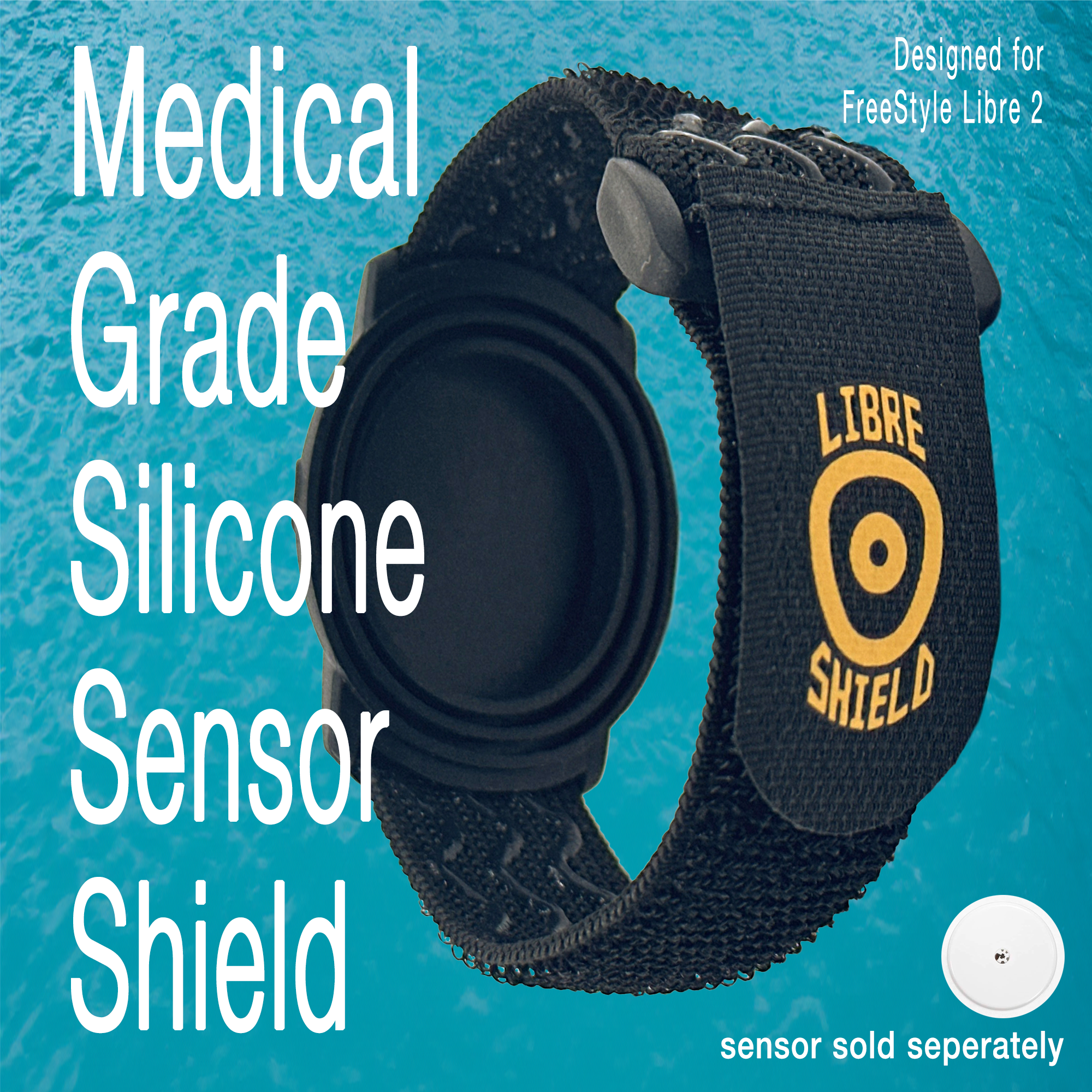
Start saving today, order your Libre Shield Sensor Saver Armband for the FreeStyle Libre 2 on Amazon.
Conclusion: Choosing the Right Protection for Your CGM
The right choice depends on what keeps costing you sensors. Adhesive covers can help with minor edge lifting, but they only address one problem. If your sensors get knocked off at the gym, in the pool, at work, or during everyday activities, the Libre Shield Sensor Saver Armband provides the physical protection that adhesive alone can’t. Instead of simply helping the sensor stick, it helps keep it attached and protected when life puts it to the test.
Frequently Asked Questions
What is the best cover for a CGM?
The best cover depends on your lifestyle. Adhesive patches are low-profile and discreet, ideal for sedentary users. Protective armbands offer superior physical protection and are better for active individuals or those who bump their sensors. Consider factors like activity level, skin sensitivity, and budget. Many users find a combination works best: an adhesive patch for daily wear and an armband for sports or swimming.
How do I keep my FreeStyle Libre sensor from falling off?
To prevent sensor dislodgement, start with proper skin preparation: clean and dry the area, then apply the sensor. Use an adhesive patch or protective armband for extra security. Avoid excessive moisture and friction. If you’re active, choose a waterproof armband that stays put during sweating and movement. Regularly check the sensor and replace the patch or armband as needed to maintain a secure fit.
Can I put a bandaid over my Libre sensor?
A standard bandaid is not recommended for covering a Libre sensor. It may not provide adequate protection, can interfere with readings, and may not stay in place during movement. Instead, use a CGM-specific adhesive patch or a protective armband designed to fit over the sensor without applying pressure. These options are breathable, waterproof, and tested for compatibility with CGM devices.
Are protective armbands better than adhesive patches for active users?
For active users, protective armbands often provide better security. They offer a physical barrier against impacts and are less likely to peel off during sweating or swimming. Adhesive patches can curl at the edges with intense activity. However, armbands add bulk and may require sizing adjustments. Many athletes prefer armbands for high-intensity sports, while using patches for everyday wear.
Do CGM armbands interfere with sensor readings?
No, CGM armbands are designed to not interfere with sensor readings. They hold the sensor in place without applying pressure that could affect accuracy. Choose armbands made from materials that don’t block Bluetooth signals. Avoid overly tight bands that could compress the sensor. When worn correctly, armbands can actually improve stability and maintain consistent readings by preventing accidental knocks.