Table of Contents
- Why Accidental Bumps Damage CGM Sensors
- Preparing Your Skin for Sensor Protection
- Using CGM Sensor Armbands for Sports
- How to Stop CGM Sensor Peeling Off
- Physical Barriers Beyond Adhesive Patches
- Protecting Your Sensor During Water Activities
- Troubleshooting Sensor Readings and Adhesive Issues
- Conclusion
- Frequently Asked Questions
Last Updated: September 25, 2026
Why Accidental Bumps Damage CGM Sensors
Continuous glucose monitors sit on your skin, usually on your arm or abdomen. They’re small and delicate. A bump, knock, or even pressure from rolling over in bed can shift the sensor or break the connection underneath.
When your sensor moves, readings become inaccurate or stop entirely, forcing costly early replacement.
Protecting CGM sensors from accidental bumps requires strategy, not hope, daily activities like sports, work, sleep, and even hugging create constant risk.
Preparing Your Skin for Sensor Protection
Clean skin holds adhesive better and prevents irritation. Wash with mild soap and water, dry completely, and pat (don’t rub) with a clean towel.
Barrier films create a protective layer between skin and adhesive, reducing irritation and improving adhesive grip. Allow a few minutes to dry before placing your sensor.
Rotate sensor placement between arms and abdomen, allowing each site at least one week to recover before reuse.
Prep your skin the night before placing a new sensor. This gives barrier products time to set and reduces irritation from adhesive.
Using CGM Sensor Armbands for Sports
CGM sensor armbands provide reliable protection during physical activity by compressing gently against your skin to keep the sensor stable. The best use breathable, moisture-wicking materials for workouts, sports, and high-intensity activity.
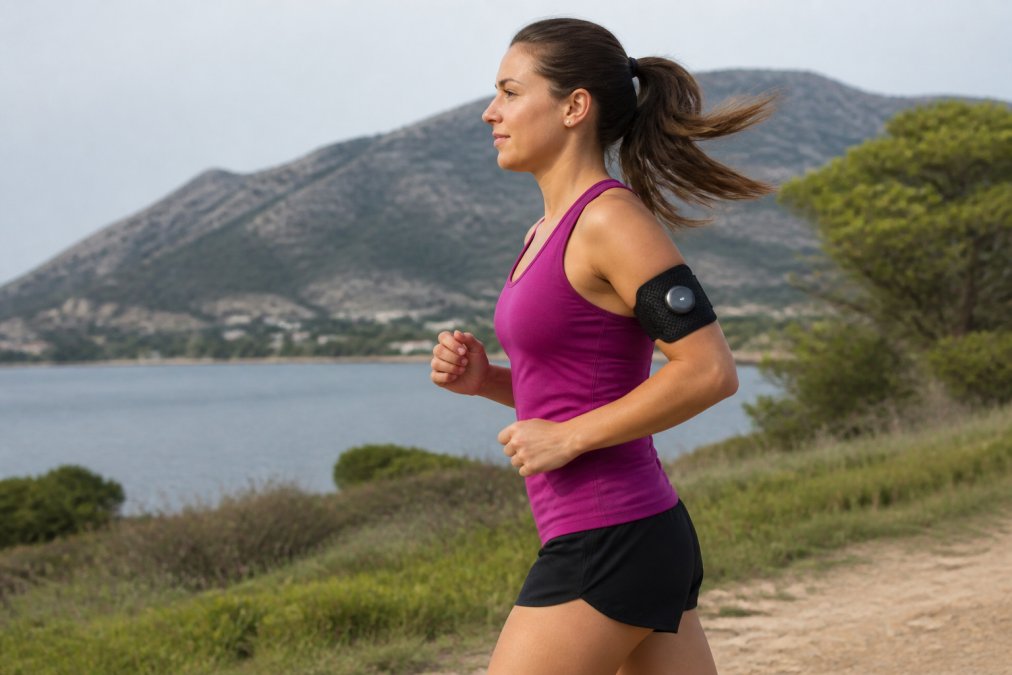
Choose armbands designed specifically for CGM sensors, not generic compression sleeves. Look for snug fit without circulation restriction, breathable fabric, secure fastening, and material that allows sensor readings to transmit.
Libre Shield provides specialized sensor saver armbands designed to offer robust security and performance protection for continuous glucose monitoring sensors. Engineered for durability, our armbands ensure your device stays secure during all your daily lifestyle activities.
Wear your armband during activities with bump risk, swimming, CrossFit, contact sports, vigorous cleaning. Remove when stationary to let skin breathe.
Wearing compression gear 24/7 can irritate skin. Use your armband during active periods only, then remove it when you’re stationary.
How to Stop CGM Sensor Peeling Off
Peeling occurs when sweat, moisture, and friction weaken adhesive bonds. Keep the sensor area dry after workouts and showers. Use waterproof adhesive patches if you swim or shower frequently.
Reduce friction by wearing loose clothing over your sensor or using an armband that distributes pressure evenly.
When peeling starts at the edges, reinforce immediately with a medical-grade adhesive overpatch designed for CGM sensors.
Apply patches by cleaning and drying thoroughly, pressing firmly around all edges, smoothing air bubbles, and waiting a few minutes before moving.
Clean off old adhesive completely when removing a sensor, leftover residue prevents new adhesive from sticking.
Physical Barriers Beyond Adhesive Patches
Adhesive patches help, but they’re not the only option. Hard-shell protective covers absorb direct impact from bumps and falls. Silicone covers are flexible and waterproof; rigid shells distribute force across a wider area. Both can be worn under an armband for layered protection. Custom 3D-printed guards offer precise fit but require upfront design work and printing access.
Compression Sleeves and Medical-Grade Wraps
Medical-device compression sleeves have reinforced zones and moisture-wicking fabrics. Choose sleeves with 15-25 mmHg pressure that don’t restrict circulation and allow sensor readings to transmit.
Barrier Films and Skin Prep Layers
Barrier films reduce friction and prevent peeling from movement and clothing contact. Hydrocolloid films are particularly effective because they conform to skin and create a smooth adhesive surface.
Pediatric-Specific Protection Strategies
Pediatric patients need child-sized armbands with adjustable sizing, lighter compression (10-15 mmHg), and colorful covers to increase compliance. Layer protection with barrier film and adhesive patches for daily wear, plus armbands during sports. Rotate sites every 7-10 days and use waterproof armbands for water activities. Involving children in choosing their protection method increases compliance.
Layering for Maximum Protection
Consider combining multiple barriers:
- Barrier film under the sensor
- Adhesive overpatch around edges
- Silicone cover or hard-shell protector during activity
- Compression armband during high-impact periods
This combination keeps your sensor secure through almost any situation, from contact sports to playground activity to accidental bumps during sleep.
The best protection strategy combines multiple layers: skin prep, adhesive support, and physical barriers. For active users and children, hard-shell protectors and child-sized armbands offer protection that adhesive patches alone cannot provide.
Protecting Your Sensor During Water Activities
Water is the biggest threat to sensor adhesive, but the risk varies significantly by water type, temperature, and duration. Understanding the specific environmental factors helps you choose the right protection strategy for each activity.
How Different Water Types Affect Adhesive
Fresh water (showers, lakes, pools) weakens adhesive through osmotic pressure, water molecules penetrate the adhesive bond and break it down over time. Chlorinated pool water accelerates this process because chlorine is a chemical oxidizer that degrades adhesive polymers. Salt water (ocean, salt pools) is even more aggressive; salt crystals create micro-channels in adhesive and increase water penetration. Humidity alone, without immersion, also degrades adhesive, which is why high-humidity environments like bathrooms, tropical climates, or steam rooms pose a risk even without direct water contact.
Temperature amplifies all of these effects. Warm water (above 85°F) opens adhesive pores and speeds water penetration. Hot tubs (typically 102-104°F) and saunas (140-180°F) are especially risky because heat makes adhesive temporarily softer and more permeable. The combination of heat and moisture can cause adhesive failure within 15-30 minutes of exposure.
Waterproof Adhesive Patches and Sealing Techniques
Waterproof adhesive patches are essential if you shower or swim regularly. These patches use hydrophobic (water-repelling) materials, typically acrylic or silicone-based adhesives, that seal around your sensor and block water penetration. The key is application technique:
- Dry your skin completely first; even small water droplets reduce adhesive grip
- Press down firmly around all edges, starting from the center and working outward
- Smooth out bubbles starting from the center to push air toward the edges
- Wait 5-10 minutes before water exposure to allow the adhesive to set fully
- Ensure the patch extends at least 1 inch beyond the sensor edge on all sides
Medical-grade waterproof tape designed for CGM sensors provides an alternative. This tape wraps around the sensor and creates a water barrier. It’s less elegant than a patch but provides reliable protection and can be reapplied multiple times without losing grip.
Activity-Specific Water Protection
Showering and bathing: A single waterproof patch usually holds for 5-7 days of daily showers if applied correctly. Showers are lower-risk than immersion because water contact is brief and pressure is low. Pat your sensor dry after each shower; don’t rub.
Swimming and water sports: Waterproof armbands use sealed materials (neoprene or silicone) that block water completely while allowing sensor readings to transmit. These armbands also protect your sensor from impact if you fall or collide with others in the water. Chlorinated pools require extra attention; rinse your armband and sensor area with fresh water immediately after swimming to remove chlorine residue.
Ocean and salt water: Salt water is more aggressive than chlorine. Use a waterproof armband rather than a patch alone. After salt water exposure, rinse thoroughly with fresh water and allow the sensor area to dry completely before reapplying any adhesive. Salt crystals left on skin can interfere with new adhesive grip.
Hot tubs and saunas: These are the highest-risk water environments. The combination of heat and moisture degrades adhesive rapidly, often within 15-30 minutes.
Post-Water Drying Protocol
Preventive Maintenance for Water-Heavy Lifestyles
- Replace waterproof patches every 5-7 days rather than waiting for failure
- Use a barrier film under your sensor to add an extra layer of protection
- Consider rotating sensor placement to different sites more frequently (every 5-7 days instead of 10-14) because water exposure accelerates adhesive degradation
- Inspect your sensor edges daily for signs of peeling; reinforce with a new patch at the first sign of edge lift
If your sensor falls off during or immediately after water exposure, it’s likely due to adhesive saturation rather than a defective patch. Ensure your skin is completely dry before reapplying, and consider using a stronger waterproof patch or an armband for your next water activity.
Troubleshooting Sensor Readings and Adhesive Issues
Sometimes your sensor gives inaccurate readings even when the adhesive holds. Movement and poor contact between sensor and skin cause this. Other times adhesive fails despite your best efforts.
When your sensor falls off unexpectedly:
- Check if skin prep was thorough
- Review whether you used a barrier film
- Consider if friction from clothing caused peeling
- Evaluate whether an armband would have prevented it
If you experience frequent adhesive reactions, consult your healthcare provider before trying new products. Some people need specialized hypoallergenic solutions.
Conclusion
Protecting CGM sensors from accidental bumps requires a multi-layered approach. Start with proper skin preparation, add adhesive support, and use physical barriers during activity. The combination of barrier films, adhesive patches, and protective armbands keeps your sensor secure through sports, water activities, and everyday life.
Frequently Asked Questions
Will a CGM sensor armband stay secure during intense sweating and movement like CrossFit or swimming?
Quality sensor armbands are engineered to stay in place through sweat, friction, and movement. The compression fit and secure strap design prevent shifting during high-intensity activity. Look for armbands with moisture-wicking material and strong closure systems. Many active users report their sensors remain stable through full workouts and water activities when using a properly fitted armband designed for sports.
How can I protect my CGM sensor from peeling off without irritating my skin?
Start by cleaning and drying your skin thoroughly before sensor application. Use hypoallergenic adhesive overpatches or skin-safe removers to minimize irritation. Rotate your sensor placement sites to reduce skin stress. If you have sensitive skin, consider a physical barrier like an armband that reduces friction without adding adhesive layers. Avoid leaving adhesive on your skin longer than necessary by removing old patches promptly.
Can I use a regular bandage or tape to protect my CGM sensor from bumps?
Regular bandages and tape offer minimal impact protection and can interfere with sensor readings. Medical-grade adhesive overpatches provide better security but still rely on adhesive. For accidental bump protection during physical activity, a dedicated sensor armband offers superior defense by creating a physical barrier that absorbs impact without compromising glucose readings.
Is a CGM sensor armband appropriate for children, or will it be too bulky?
Many armbands come in smaller sizes designed for children aged 4 and older. They are typically lightweight and breathable, making them comfortable for all-day wear at school and play. Proper fit is critical for children, so measure your child’s arm circumference before ordering to ensure the armband stays secure without slipping or bunching.